

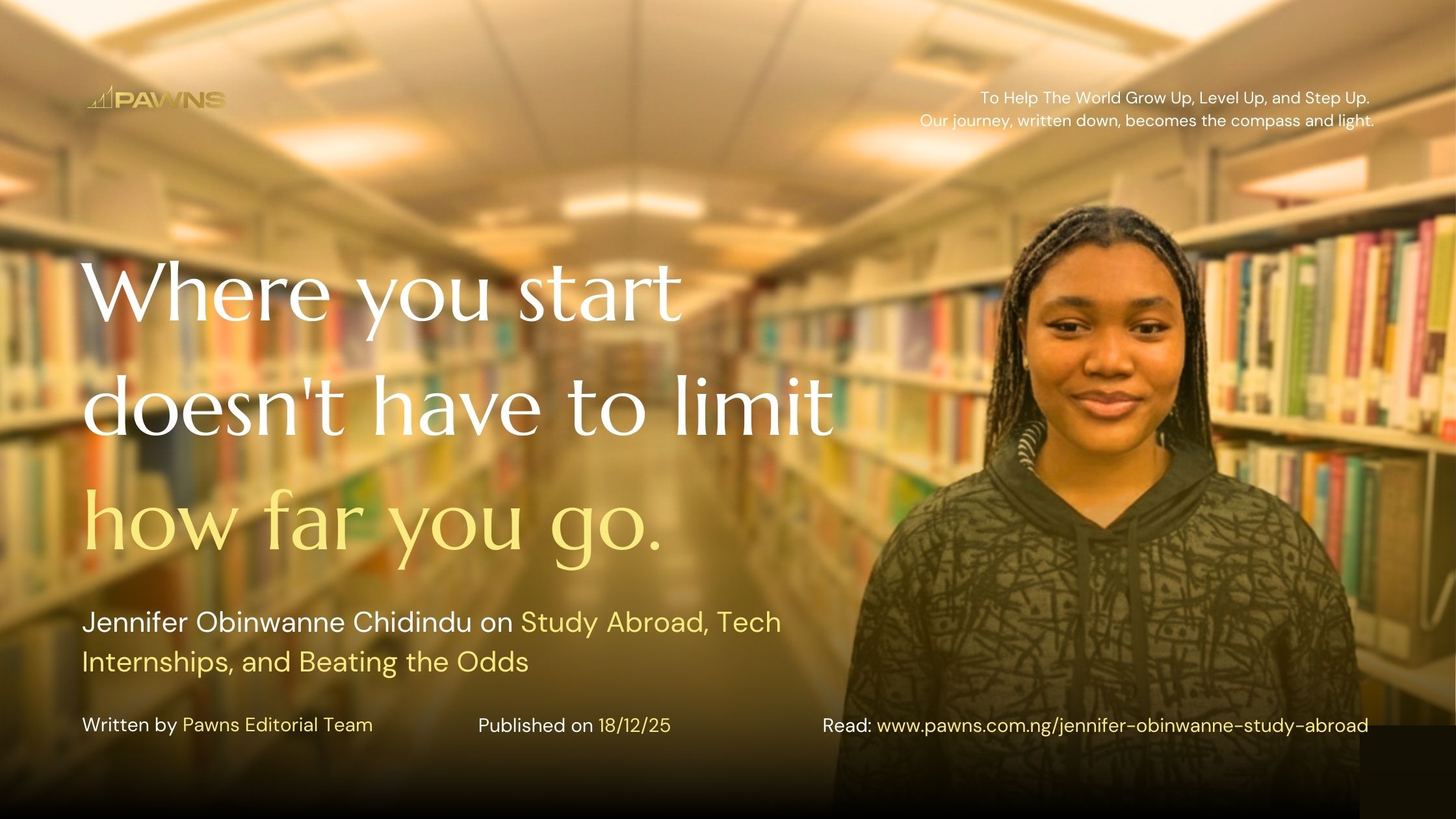
This is an honest interview on studying abroad, breaking into tech, overcoming impostor syndrome, and building a global career from scratch. And, our guest today is Jennifer Obinwanne Chidindu.
Jennifer Obinwanne was a Software Engineering Intern at Meta, an Algorithm intern at Hudson River Trading, a $100,000 winner at Ally’s Moguls in the Making, a Netflix Formation Fellow, an xTech Finalist, and a Break Through Tech Machine Learning Fellow at Cornell. And she’s only 22.

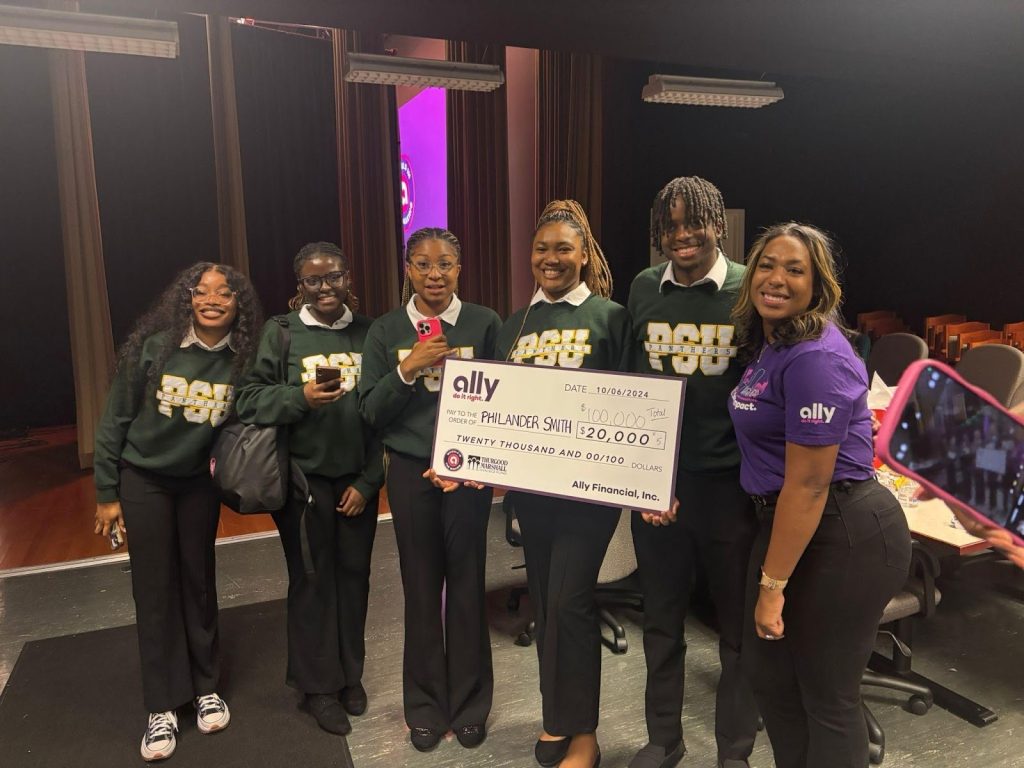
She’s also been selected for programs at Bloomberg, Adobe, HP, PwC, and has worked across everything from cybersecurity at CodePath to venture capital technicals at HBCUvc. She’s developed apps that reduce food waste, built VR marketplaces, and co-led projects that won six-figure prizes.
Through ColorStack, Girls Who Code, Rewriting the Code, and dozens of other fellowships and programs – from the Thurgood Marshall College Fund’s MetaScholar Program to being a Student Ambassador for HBCU Founders Initiative – she’s been building something bigger than just a resume.
Jennifer moved from Nigeria to the United States (US) with no family there – no safety net or “rich uncle” to call when things got tough. She just went there with her dreams and determination to make something happen.
Her story is still unfolding, but we thought it’s a great time to share – because often stories are shared when the protagonist is at the other end, leaving readers wondering if bridging the gap is even possible. Here, we’re sharing a story of someone still building that bridge as she crosses it.
In this interview, she’ll be sharing her journey and what she’s learned so far, hoping it might light a fire in someone else’s heart who thinks their dreams are too big or too far off.
From Lagos To Silicon Valley: What It Took To Make the Dream Come True


What follows is Jennifer Obinwanne’s story — a sincere, detailed account of what it really took to study abroad, win awards, and break into the tech career – coming from Nigeria, all in her own words.
If you’ve ever dreamed of studying abroad or wondered how to pursue a tech career in Silicon Valley, this is for you.
What was life like before your abroad study journey began?
I grew up in a close-knit environment where family and community played a big role. I went to a boarding school. So, during holidays, a typical day looked like this: I’d go to my parents’ shop, stay there until evening, then head home. And, on Sundays, I went from the house to church and back home. It was a repeated cycle.
After graduating, I was eager to get into school, but that didn’t work out. I ended up staying at home for almost two years, and honestly, I felt stagnant. I couldn’t help thinking about my mates who were already in their 200 level while I was still at home “doing nothing”.
I couldn’t stop thinking about getting into school.
I had initially wanted to study nursing because of the prestige that comes with pursuing a profession in the medical field, not because I was passionate about it. I also wanted to fulfil my parents’ expectations of having a doctor or Nurse in the family.
However, I was unable to gain admission to the school I applied to. And as time went on, I stopped caring about the course altogether – “just give me anything, I would study as long as I’m in school”, I thought.
I couldn’t bear the shame. Everyone kept asking, “When would you go to school?” It was overwhelming.
What sparked or inspired your journey?
Things shifted when two different people – a mentor and a family friend – asked me: “Have you tried studying abroad?”
The idea lingered in my mind, and after seeing it work for someone I knew, I realised there were opportunities beyond my immediate environment.
Around the time I discovered computer science, and it really resonated with me. I was genuinely curious about it and started consuming some content about it online.
So, when I started researching schools abroad, I made sure to look out for those with Computer Science or something related. I applied to a few schools, at least 3.
The entire application process spanned approximately a year. Though I started working on things seriously around December 2022.
By March 2023, I finally received an admission letter, and it was such a huge relief. But also the start of another journey.
Funding that journey wasn’t easy. My parents carried the full weight of it, and I’ll be honest, it wasn’t smooth: Application fees, transcript processing, exams, and medical tests—all of it added up quickly. And the dollar-to-naira exchange rate made everything worse.
And then came the visa process, which brought its own stress. In Nigeria, just obtaining a passport appointment or a visa interview date can take eternity – I mean, the usual delays—waiting, rescheduling, everything being spaced out was insufferable. By the time I finally sat in front of the consular officer, I was nervous because I knew if I got denied, all the money and effort would have gone down the drain. Thankfully, I was approved.
And by August 2023, I landed in the United States and resumed school.
That period from late 2022 to August 2023 felt like forever – an endless wait, and honestly, it was stressful. But through sacrifices and a lot of determination, we were able to make it.
I am here because my parents believed in my dream and went out of their way to make it a reality, and I’ll always be grateful for that.
What was your experience like in the beginning?
There was a real culture shock. When I landed in the US, everything felt different – the way people spoke, how classrooms worked, even small things like the transport system and food.
Back home, I always had family around, so I never really felt independent – I didn’t have to worry about most things. But here it was just me. There was no nearby family, and that loneliness hit me harder than I expected.
Academically, I had to adjust to the teaching style, workload, and expectations. Everything was new, and everything was online – you had to go online, to the school portal, to access your schedule, assignments, and so on. To make it worse, I didn’t have a laptop when I came. I struggled for a while using the school’s laptop, but thankfully, they gave all new students laptops. That was a big relief.
And then there was the cold, money anxiety, and loneliness. I came during winter, and I absolutely hated it. I was broke—I had arrived with very little pocket money. Because I had no friends then, I also felt incredibly lonely.
Everything felt like too much at once.
To survive, I really had to be strategic:
Since I didn’t have much pocket money coming in, I looked for opportunities that could help me stay afloat. For example, in my first year, I joined an online academic and career development program called HBCU FIRST. I was a mentee in the program, and at the end of the 11 weeks, I received a stipend of about $800. That money helped me cover small personal expenses, while the rest went straight into my savings. Later, in my second semester, I started working on a research program with one of my professors, which provided another way to earn a little income. Since I stayed on campus, most of my meals were at the school cafeteria, which made it easier to manage without stressing too much about food costs.
As for the loneliness, it was tough at first. Being away from home, you can feel the weight of isolation. But I realised quickly that if I stayed to myself, it would only get worse. So I pushed myself to show up—to attend campus events, get involved in programs, and connect with people around me. Slowly, I started building friendships, and those relationships really helped me feel grounded.

What kept you going during tough times?
What made it bearable was the small community I found – a group of Nigerians at my school. It was easier to talk to and relate with them; I was able to learn about how they navigated when they first came, and it helped me feel less alone.
Remembering why I started in the first place was also crucial. I knew I didn’t come all this way to give up. My family back home was counting on me, and I kept thinking about the sacrifices they made to make my coming here a reality.
I thought about the prayers and encouragement from my parents, family, and friends. That gave me strength.
I created a vision board to remind me that the journey would be long, but worth it. It’s on my laptop screen and phone, constantly reminding me why I’m here.
My vision board is deeply personal to me, and it encompasses a little bit of everything that spoke to the life I was striving for. I had a family picture to remind me why I was working so hard, and even a picture of myself back home in Nigeria, so I wouldn’t forget where I started. I added logos of tech companies I admired, like Meta and Google, along with motivational quotes and Bible scriptures that gave me strength on tough days. There were also simple images, like a plane taking off to represent new beginnings, and words I wrote out myself, such as “courage” and “don’t give up.” It was a collection of visuals and reminders that, no matter how stuck I felt at the time, a bigger life was waiting for me.
I also looked at people who had gone before me – not necessarily close relatives, but people in similar situations who were able to navigate it.
It was hard, but I knew this was a once-in-a-lifetime opportunity. It’s my undergraduate degree – I don’t want to repeat it; I don’t think there is even an option for me to.
So, while I’m at it, I decided I might as well give it my best shot.
Who or what played a big role in helping you?
My family, first and foremost. Even though they weren’t physically here, their constant check-ins and encouragement gave me strength. My parents, especially, would find ways to remind me why I came and why I started.
Outside of family, I’m forever grateful to the family friend who introduced me to the study abroad process and supported me through it. I had a mentor back home who gave me the push I needed when I doubted myself.
I also had professors and friends here in school who made the journey lighter. Having these people in my corner really made all the difference – each played a significant role, and I’m so grateful for them.
What were some of the biggest challenges you faced?
Impostor syndrome was a big challenge. Every now and then, I felt like I wasn’t good enough to be in certain spaces. Sometimes I’d open LinkedIn and feel so small compared to what others were doing. That comparison really got to me.


Money was another challenge – school fees, living expenses, they all piled up quickly. This is something I’m currently trying to navigate, but it felt overwhelming at first, trying to balance academics, finances, and my mental health and well-being.
These challenges haven’t fully gone away.
But over time, I’ve learned how to manage them better.
What surprising things did you discover along the way?
I was surprised by my own resilience. I didn’t know I could handle so much until I had no choice.
When you’re pushed into situations, you just have to figure it out. During tough times, I realised I needed to gather as much strength and courage as I could.
Being able to look back at tough times and know that I prevailed through them – that really surprises me.
I also learned how powerful community is. At first, I felt like moving abroad meant you had to do everything by yourself. But building relationships with classmates, professors, mentors, or people with similar backgrounds made the journey much easier.
You don’t have to carry everything by yourself.
Where are you right now, and how has your life changed?
Right now, I feel like I’m in a place where I can actually look back and see how far I’ve come.
I’m studying computer science, which I love. I’ve had the chance to intern at companies like Meta and Hudson River Trading – companies I’d only admired from afar. I’m building projects that really matter to me and make an impact.
But more than all these achievements, my mindset has really changed: I no longer see myself as just a student who left Nigeria. I see myself as someone bridging where I came from with where I’m going.
I mean, I carry both sides of my story with me. On one hand, I’m deeply rooted in where I came from—Nigeria, my upbringing, the values and struggles that shaped me. On the other hand, I’m also stepping into new spaces here in the U.S., in tech, in school, and in opportunities that weren’t as accessible back home. So to me, bridging the gap means I’m not leaving one side behind. I’m taking what I’ve learned from my background and using it to move forward, while also showing others from where I started that it’s possible to make that leap.
This perspective shapes how I look at opportunities, how I value people, and how I define success.
What do you wish you had known when you started?
I wish I knew it’s okay to not have everything figured out.
When I first started, I thought I needed a perfect plan. I was trying to do everything, feeling like I couldn’t start something unless I felt fully ready.
But you don’t need a perfect plan. Everything doesn’t have to be in check. It’s okay to make mistakes.
You can’t expect to have everything perfectly sorted out before you take your first action. Life doesn’t work that way.
If I could talk to my younger self, I’d say: Don’t be afraid of the process. It’s okay to feel confused, make mistakes, and face rejection – this is all part of the growth.
To anyone starting now: Don’t wait until you feel fully ready because you may never feel ready. Just take that first step, and you’ll grow into it.
What are you looking forward to next?
I’m looking forward to growing into the version of myself I’ve always imagined.
I’ve always pictured myself living independently, building a solid career in tech, and being able to stand on my own two feet. But it’s not just about work—it’s also about becoming a more grounded person, someone who enjoys life, travels, laughs more, and doesn’t let fear hold her back. That’s the version I’ve been chasing, the me I know I can grow into.
I know I’ve come a long way, but there’s still so much ahead.
I want to keep pushing my skills, hopefully take on bigger roles in the future, and make a name for myself in tech.
I’m now a junior – my third year – and I want to widen my connections.
I want to step into places that once felt out of reach and prove to myself that I can stand on my own two feet – not just as a student or intern, but as a professional who can excel at the highest level.
Right now, my main focus is growth, breaking barriers, building a career I can be proud of, and showing that where you start doesn’t have to limit how far you go.
I hope to be an inspiration and role model to those who come after me.
Conclusion: The finest gratitude we can show is to fully utilise the opportunities made possible by others.


Jennifer Obinwanne’s story is one that everyone needs to learn from—from world leaders and presidents to kids and youths brimming with potential.
What we see in her is a young woman who just needed a push. When that support came, she maximised it, going far beyond the initial expectations of her parents, who might have simply hoped for a graduate.
I can’t help but wonder how many more Jennifers are yet to be discovered. It’s equally saddening that many who have gotten a similar opportunity didn’t make the most of it—they either got distracted or simply dreamt too small.
If there is one thing to remember from this, it is that a little support can go a long way, and the finest gratitude we can show is to fully utilise the opportunities made possible by others.
Special thanks to Jennifer Obinwanne for taking time out of her busy schedule to share this inspiring story with us.
***
Please let us know your thoughts in the comments section. And share with family and friends you think might like this.
Here are some other stories you might like:
- Nwankwo Henry Eziefule: What It Really Takes To Become a UK Commonwealth Scholar
- Chinweotuto Esther’s Fitness Journey: Same Weight, Different Woman [After 6 Months at the Gym, Here Is What Really Changed]

The Editorial Team of Pawns Digital Agency: We believe that our journeys, written down, become the compass and light for ourselves and others. Have a story or idea worth sharing? Please reach out to us at Contact@pawns.com.ng